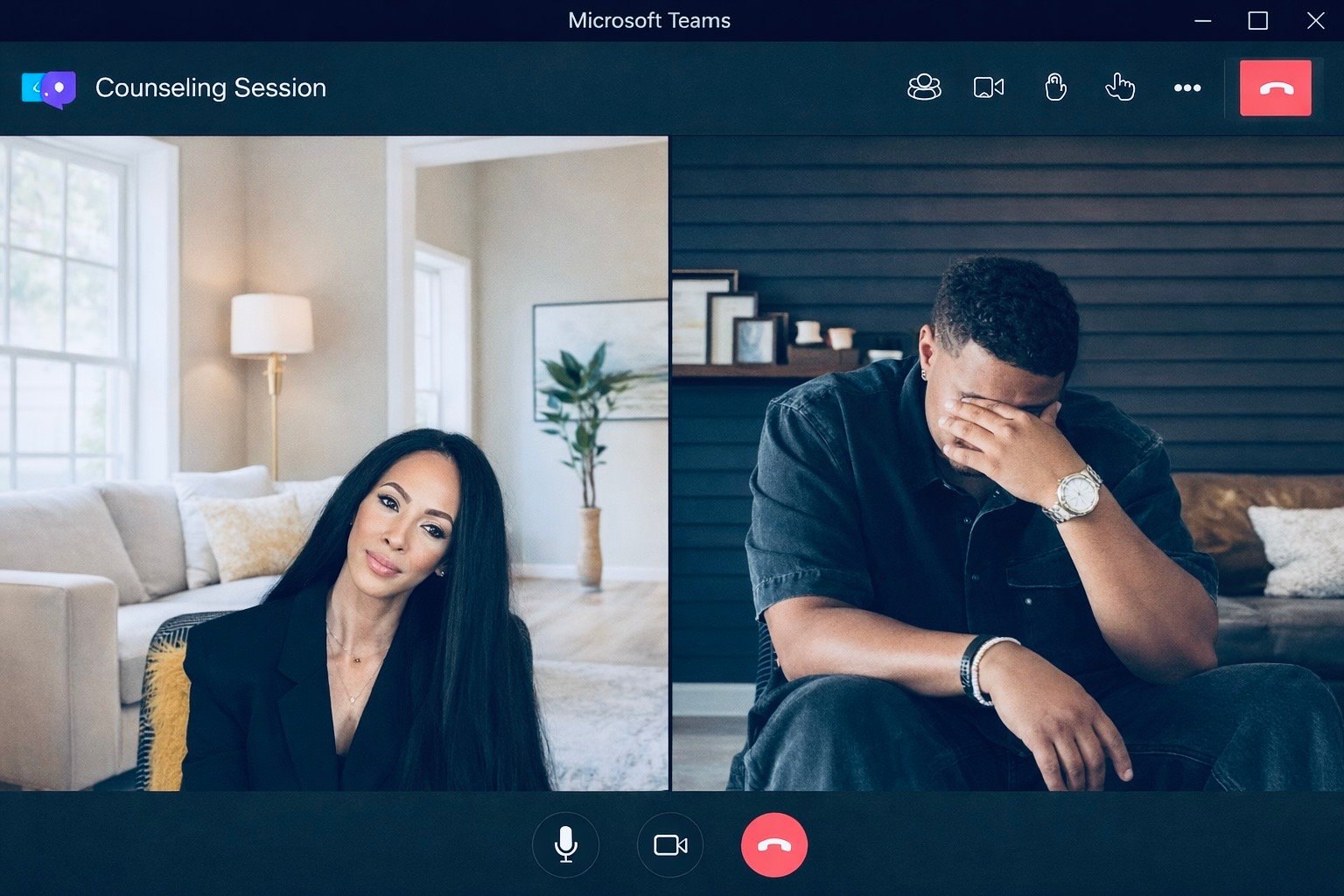
Life does not always unfold the way we imagined.
A relationship ends. A marriage breaks down. Trust is betrayed. A job is lost. A move to a new country leaves you feeling disconnected from who you once were. Sometimes it is not one major event, but a series of disappointments, setbacks, and losses that gradually leave you feeling exhausted, uncertain, and unlike yourself.
These experiences can affect confidence, relationships, identity, and emotional wellbeing. Many people find themselves questioning who they are, struggling to trust again, or wondering how to move forward when life looks very different from what they had hoped.
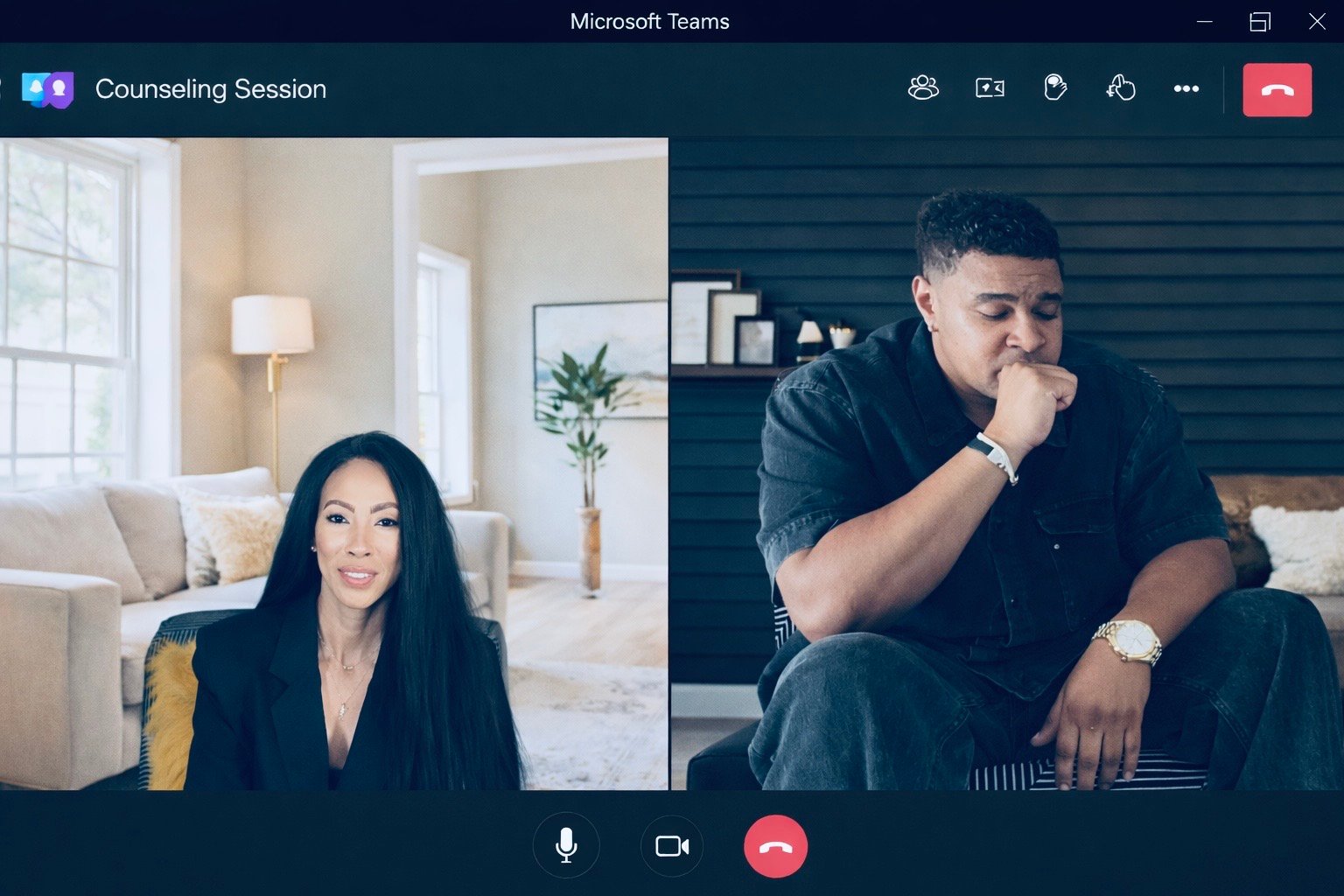
Counselling provides a space to process what has happened, make sense of your experiences, and begin rebuilding with intention. Together, we focus not only on healing from what was lost, but on strengthening what comes next.
Support is available for:
• Divorce and relationship breakdown
• Significant life transitions and starting over
• Migration grief and identity changes
• Depression, stress, and emotional exhaustion
• Loss of confidence and self-worth
• Grief, loss, and adjusting to a new reality
• Strengthening relationships and rebuilding connection
You do not need to have everything figured out before reaching out for support.
Whether you are healing from a difficult chapter or trying to create a new one, counselling can provide a safe space to reflect, grow, and move forward with greater confidence, clarity, and resilience.