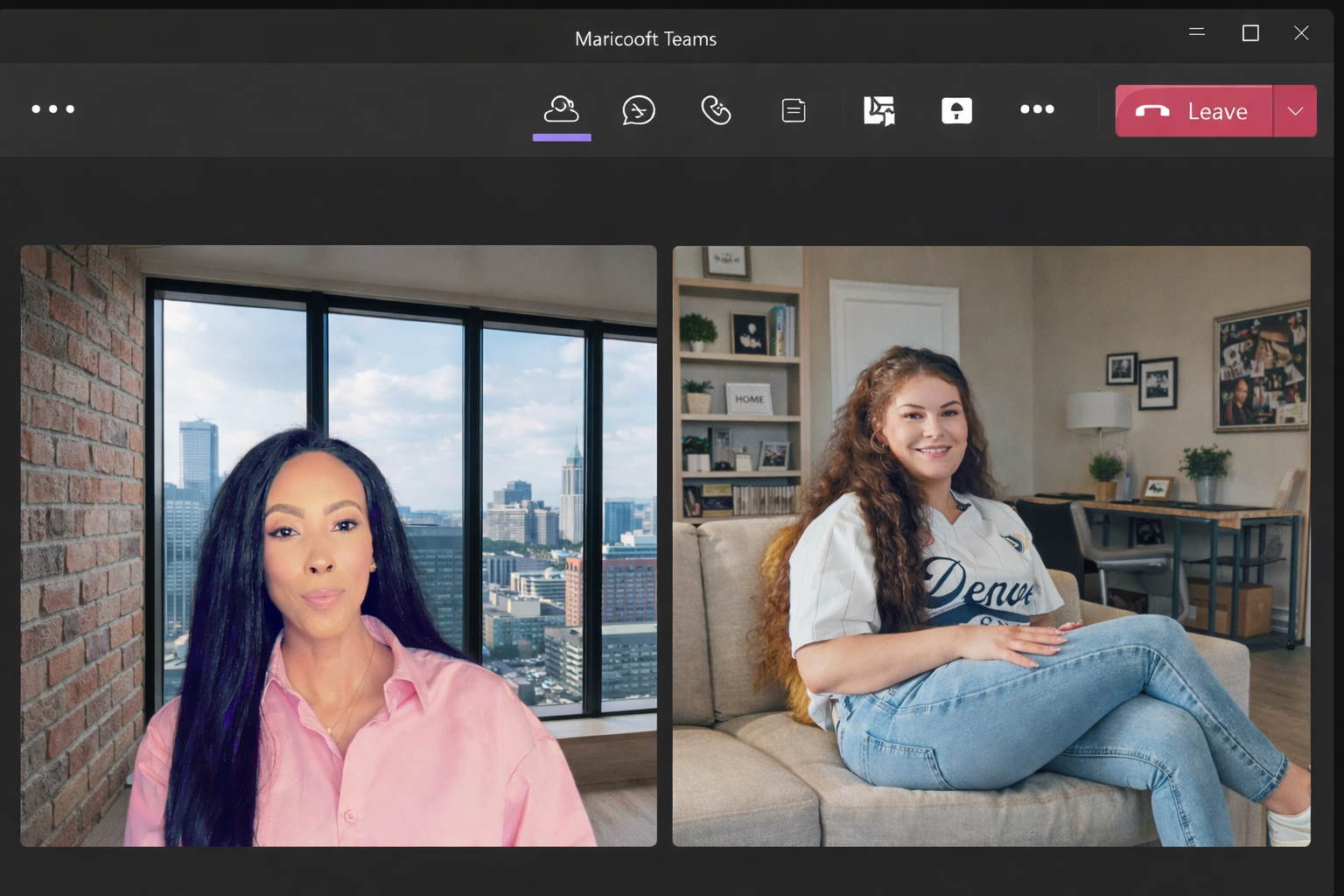
Self-Esteem & Identity Confidence

Low self-esteem often develops quietly — through loss, cultural adjustment, trauma, comparison or long-term self-criticism.

You may struggle with:

  • Persistent self-doubt
  • Feeling “not enough”
  • Overworking to prove your value
  • People-pleasing patterns
  • Difficulty setting boundaries

Together, we identify the beliefs shaping your self-perception and rebuild confidence from a grounded, stable foundation.

What is anxiety?

Understanding Anxiety

Anxiety is a natural emotional and physical response to stress, uncertainty, or perceived threat. It can involve feelings of worry, nervousness, or unease, often accompanied by physical sensations such as restlessness, tension, rapid heartbeat, or difficulty concentrating.

While occasional anxiety is a normal part of life and can even help people stay alert and prepared, persistent or overwhelming anxiety may begin to interfere with daily activities, relationships, and overall wellbeing. In these cases, understanding anxiety and accessing supportive resources can help individuals manage their experiences and regain a sense of balance.

When to seek help for anxiety

Recognizing the signs and knowing when support can help

It may be helpful to seek support when anxiety begins to interfere with daily life—affecting sleep, concentration, relationships, or your ability to carry out everyday tasks. Persistent worry, avoidance of situations, physical tension, or feelings of being overwhelmed can be signs that additional support could make a difference.

Reaching out for help is not a sign of weakness but a step toward understanding and caring for your wellbeing. Connecting with supportive people, accessing resources, or speaking with a professional can help reduce isolation and provide strategies to manage anxiety more comfortably.

Types of anxiety disorders

Generalized Anxiety Disorder (GAD) involves ongoing, excessive worry about everyday matters, often accompanied by restlessness, tension, and difficulty concentrating. While it can interfere with daily functioning, GAD is highly manageable with the right treatment.

Social Anxiety Disorder (SAD) is marked by an intense fear of social situations, often driven by concerns about being judged, embarrassed, or scrutinized by others. This can impact relationships and daily activities, but therapy can help reduce fear and build confidence.

Panic Disorder includes recurrent, unexpected panic attacks—sudden episodes of intense fear that may involve physical symptoms such as a racing heart, dizziness, or shortness of breath. Although disruptive, panic disorder responds well to effective treatment.

Obsessive-Compulsive Disorder (OCD) is characterized by intrusive, unwanted thoughts (obsessions) and repetitive behaviors or mental rituals (compulsions) intended to ease anxiety. This cycle can be exhausting and disruptive, but evidence-based treatments can significantly reduce symptoms.

Post-Traumatic Stress Disorder (PTSD) can develop after experiencing or witnessing a traumatic event. Symptoms may include flashbacks, nightmares, heightened anxiety, and emotional numbness. PTSD can deeply affect daily life, but professional care can support healing and recovery.

Phobias involve intense, persistent fears of specific objects or situations—such as heights, flying, or certain animals—that lead to avoidance behaviors. While these fears can be limiting, therapy offers effective strategies to manage and overcome them.

Why I’m different

As a migrant, I understand deeply what hard work looks like and the sacrifices people make to build a life in a new country. Many people are juggling long work hours, shift work, FIFO rosters, family responsibilities, and financial pressure. Because of this, I intentionally designed my services to be fully online.

This means someone can access support wherever they are whether that’s during a lunch break, after a long shift, or while working FIFO at the mines. Counselling should not only be available to people who have the time and flexibility to attend an office appointment.

My work is also shaped by my personal experience as a loss mum, and the stereotypes and silence that often surround grief and miscarriage. Many people carry pain quietly because they feel misunderstood, judged, or that their experience is minimised. I want this service to feel like a safe and accessible space for those people.

The online model was therefore designed very intentionally with real life in mind for people who are busy, exhausted, grieving, rebuilding, or simply trying to keep moving forward.

What CBT Looks Like in Session

CBT at Werner Foundation is collaborative and practical.
  • Identify recurring thought patterns
  • Examine beliefs that may be intensifying your distress
  • Develop coping strategies that feel realistic — not forced
  • Build tools to regulate anxiety and emotional overwhelm
  • Set achievable goals that restore confidence and stability

You will gain insight — but also skills you can use outside the therapy room.

Structured Support. Real Understanding.

At Werner Foundation, you are not reduced to a diagnosis.
Your cultural context, lived experience and personal history matter.

Support is available for women and men, individuals and couples.

If your experience does not fit neatly into one category, you are still welcome here.

Feel like yourself again.

Let's get there together.