Migration Grief & Identity Disruption

Migration is more than relocation. It is psychological transition.

You may find yourself thinking:

  • “I don’t fit here.”
  • “I’ve lost who I used to be.”
  • “I can’t show weakness.”
  • “I should be grateful — why am I struggling?”

CBT helps you explore:

  • Cultural identity conflicts
  • Feelings of displacement or invisibility
  • Perfectionism and pressure to succeed
  • Anxiety tied to belonging and acceptance
  • Depression linked to isolation or homesickness

We work to separate cultural expectations from personal truth.
We challenge internalised pressure.
We rebuild a sense of grounded identity — one that honours both where you came from and where you are now.

What is anxiety?

Understanding Anxiety

Anxiety can feel like an endless loop of “what ifs,” keeping your mind racing and your body tense. It’s that knot in your stomach before entering a room, the tightness in your chest when facing the unknown.

Even simple tasks can feel overwhelming, as if you’re carrying the weight of the world on your shoulders. Anxiety isn’t just nervousness—it’s a constant hum of worry that’s hard to turn off. Yet it’s also a signal, a reminder that we care and that we’re human.

With the right support, you can learn to manage anxiety, regain balance, and experience peace and contentment once again.


Why I’m different

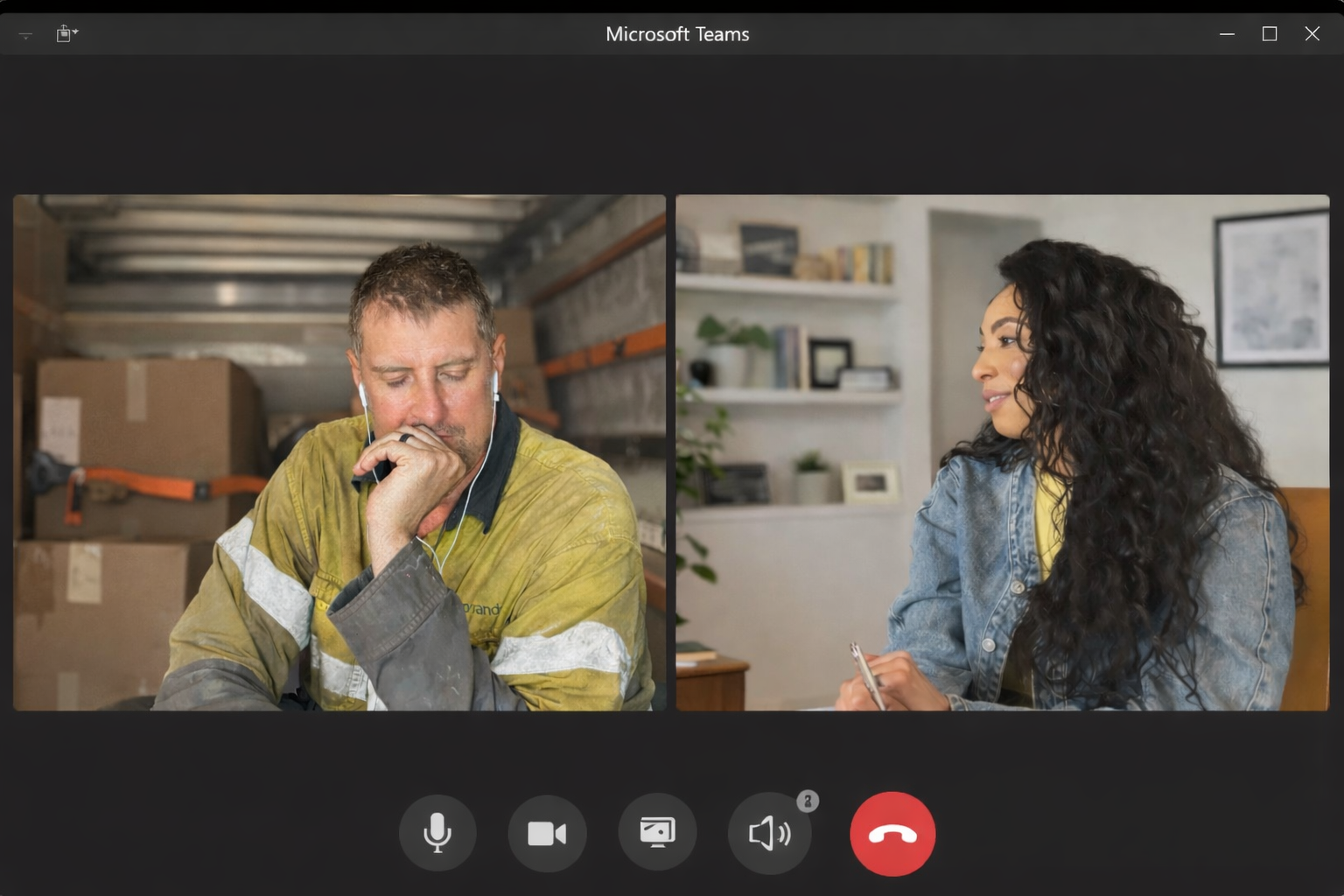
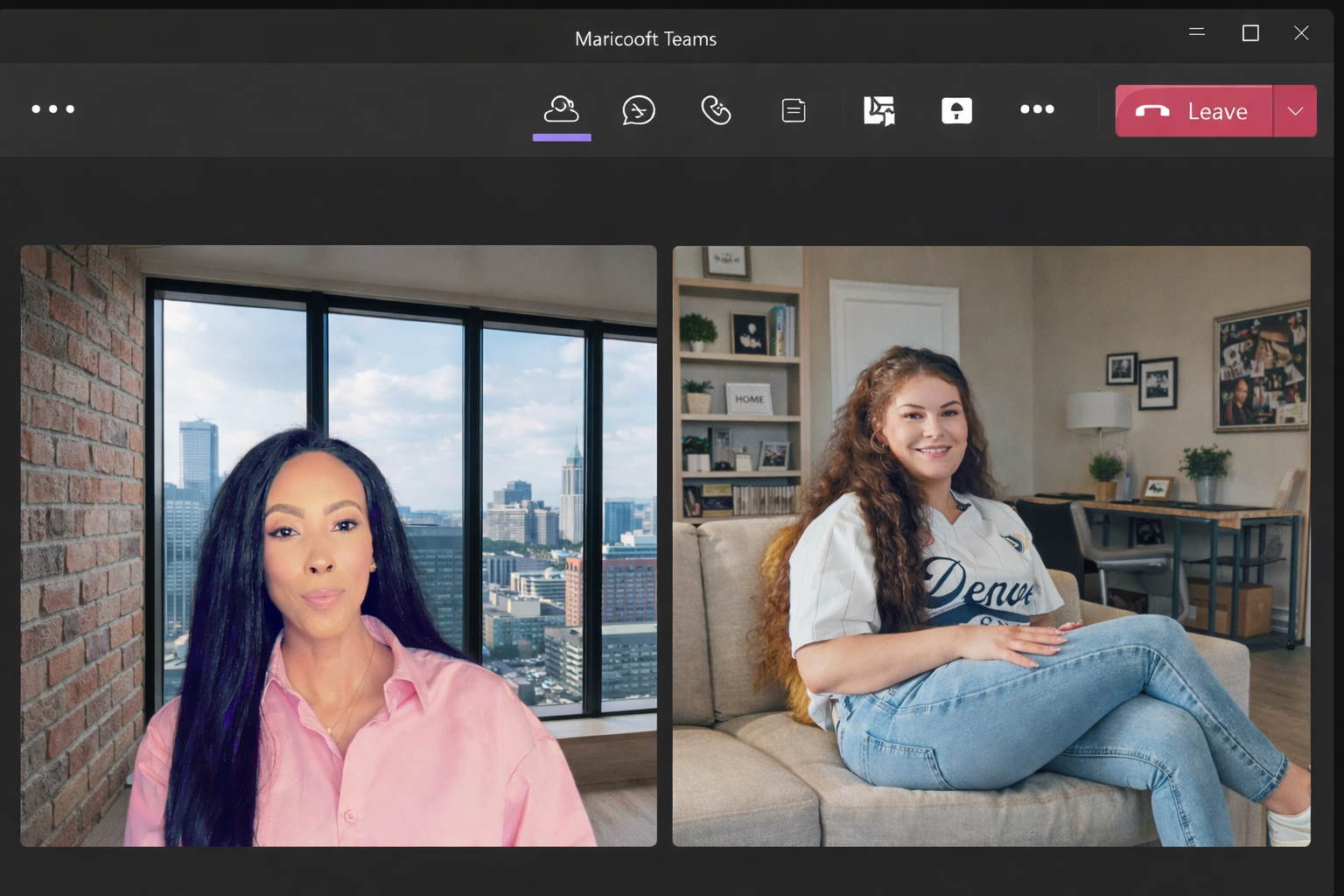
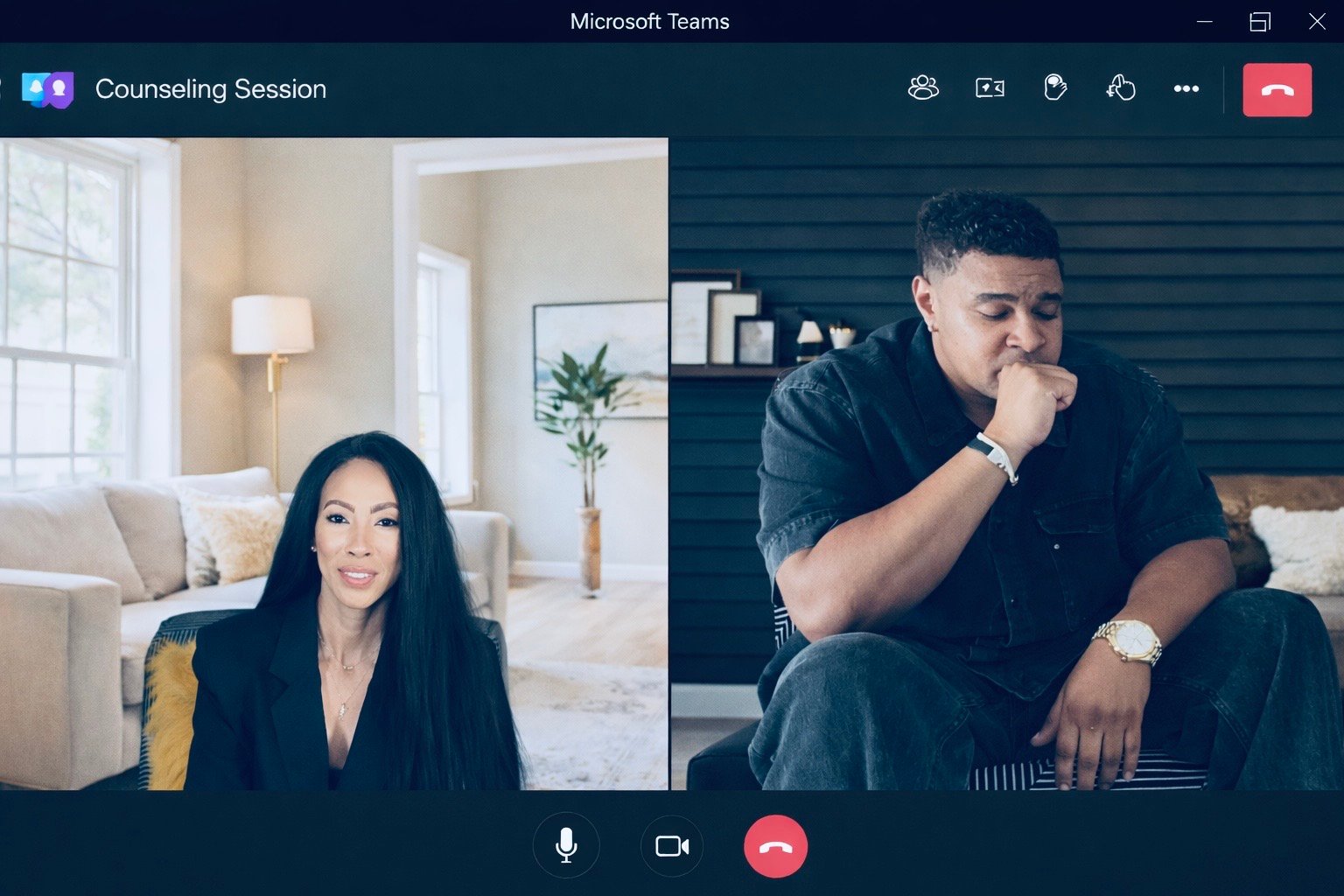
As a migrant, I understand deeply what hard work looks like and the sacrifices people make to build a life in a new country. Many people are juggling long work hours, shift work, FIFO rosters, family responsibilities, and financial pressure. Because of this, I intentionally designed my services to be fully online.

This means someone can access support wherever they are whether that’s during a lunch break, after a long shift, or while working FIFO at the mines. Counselling should not only be available to people who have the time and flexibility to attend an office appointment.

My work is also shaped by my personal experience as a loss mum, and the stereotypes and silence that often surround grief and miscarriage. Many people carry pain quietly because they feel misunderstood, judged, or that their experience is minimised. I want this service to feel like a safe and accessible space for those people.

The online model was therefore designed very intentionally with real life in mind for people who are busy, exhausted, grieving, rebuilding, or simply trying to keep moving forward.

What CBT Looks Like in Session

CBT at Werner Foundation is collaborative and practical.
  • Identify recurring thought patterns
  • Examine beliefs that may be intensifying your distress
  • Develop coping strategies that feel realistic — not forced
  • Build tools to regulate anxiety and emotional overwhelm
  • Set achievable goals that restore confidence and stability

You will gain insight — but also skills you can use outside the therapy room.

Structured Support. Real Understanding.

At Werner Foundation, you are not reduced to a diagnosis.
Your cultural context, lived experience and personal history matter.

Support is available for women and men, individuals and couples.

If your experience does not fit neatly into one category, you are still welcome here.

Feel like yourself again.

Let's get there together.